Blog

Blog

Blog

Blog

Blog

True Vision Optometry Blog
Learn more about care in our blog!

Trouble seeing the board at school, frequent squinting, complaints of headaches, a rising amount screen time—whatever prompted you to schedule an eye appointment for your child, it was clear: something was wrong. Next, you learn that your child has myopia or nearsightedness. What do you do now?
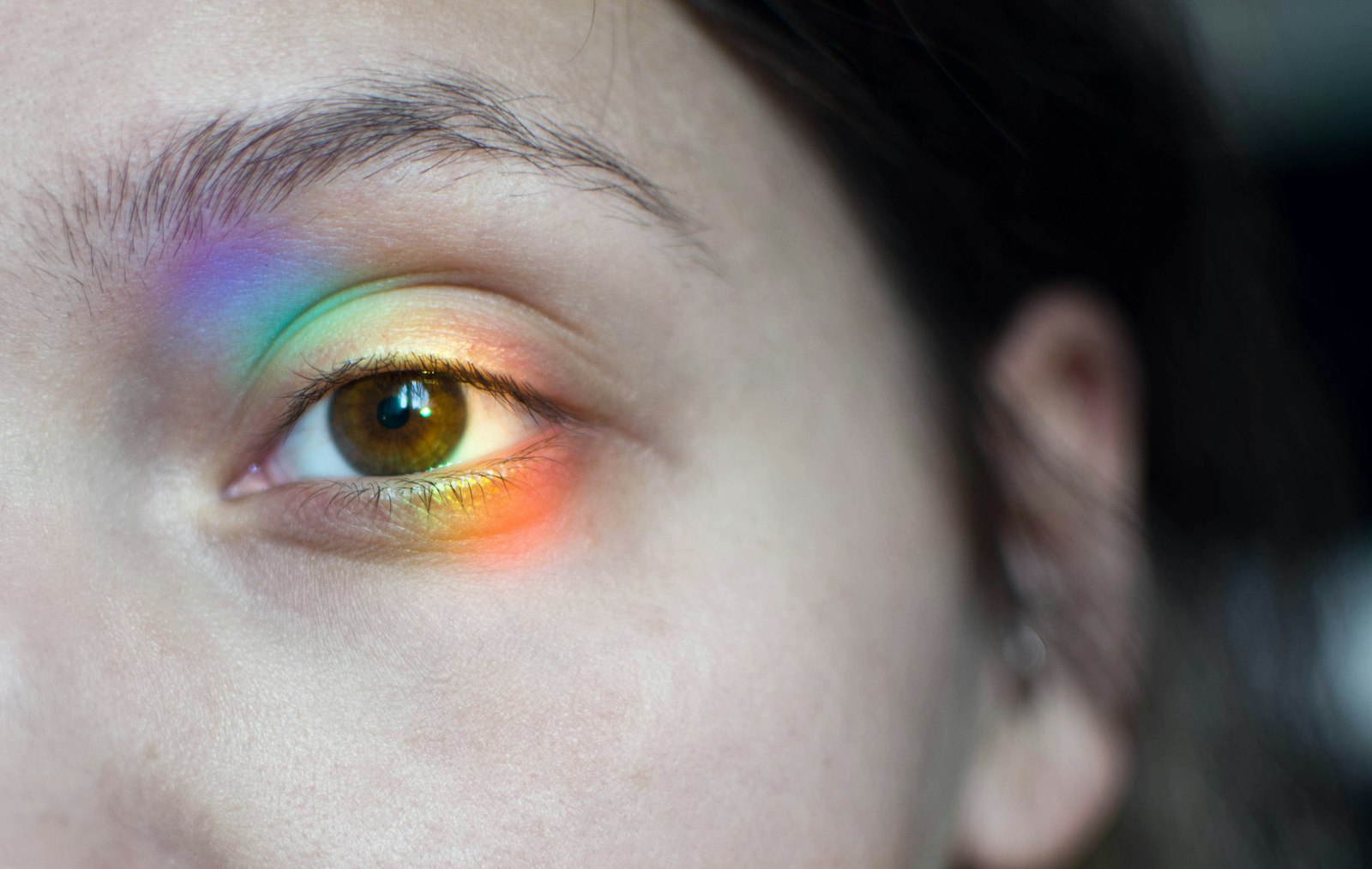
There are many different ways a person can be colorblind, and only the rarest type results in seeing in black and white. Complete color blindness is called monochromacy, and it’s so rare that only one person in 33,000 has it. For most people with color blindness, it only affects certain colors,...
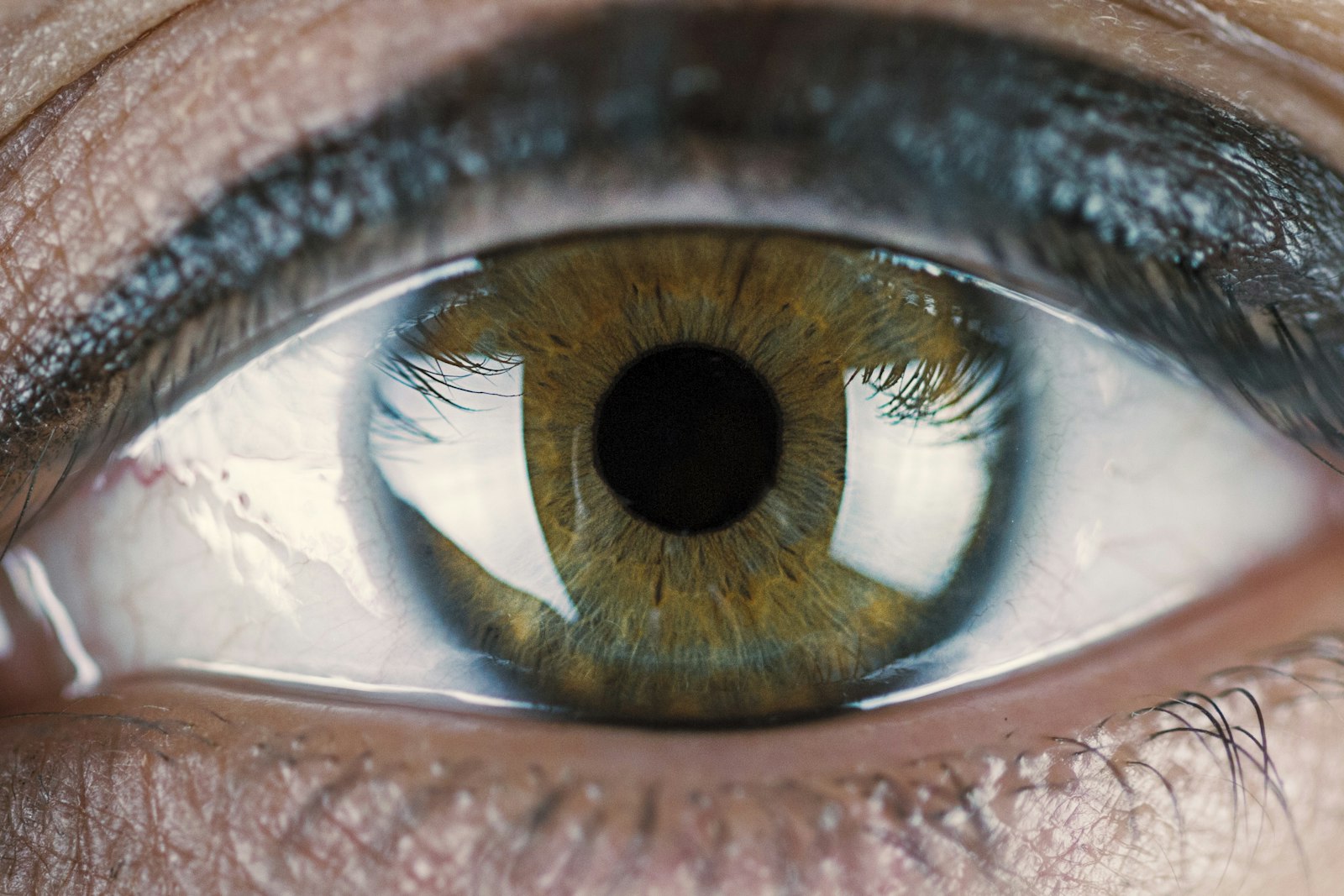
Statistically, the first thing we notice about a person when we meet them is their eye color. An interesting pair of eyes can make a lasting impression, but the most unforgettable are probably the ones that don’t match. The scientific term for mismatched eye colors is heterochromia. It’s fair...
How much of your nightly routine is lit up by a bright screen? For at least as long as we’ve had handheld devices connecting us to the internet, many of us have been online with our eyes glued to a screen late into the night. This is not an optometrist-approved bedtime ritual. Our screens emit ...

Glaucoma is estimated to affect around 3 million adults in the United States – a number that is predicted to grow over the coming decade. It’s just one of a range of different eye conditions that can develop during the course of our lifetime.
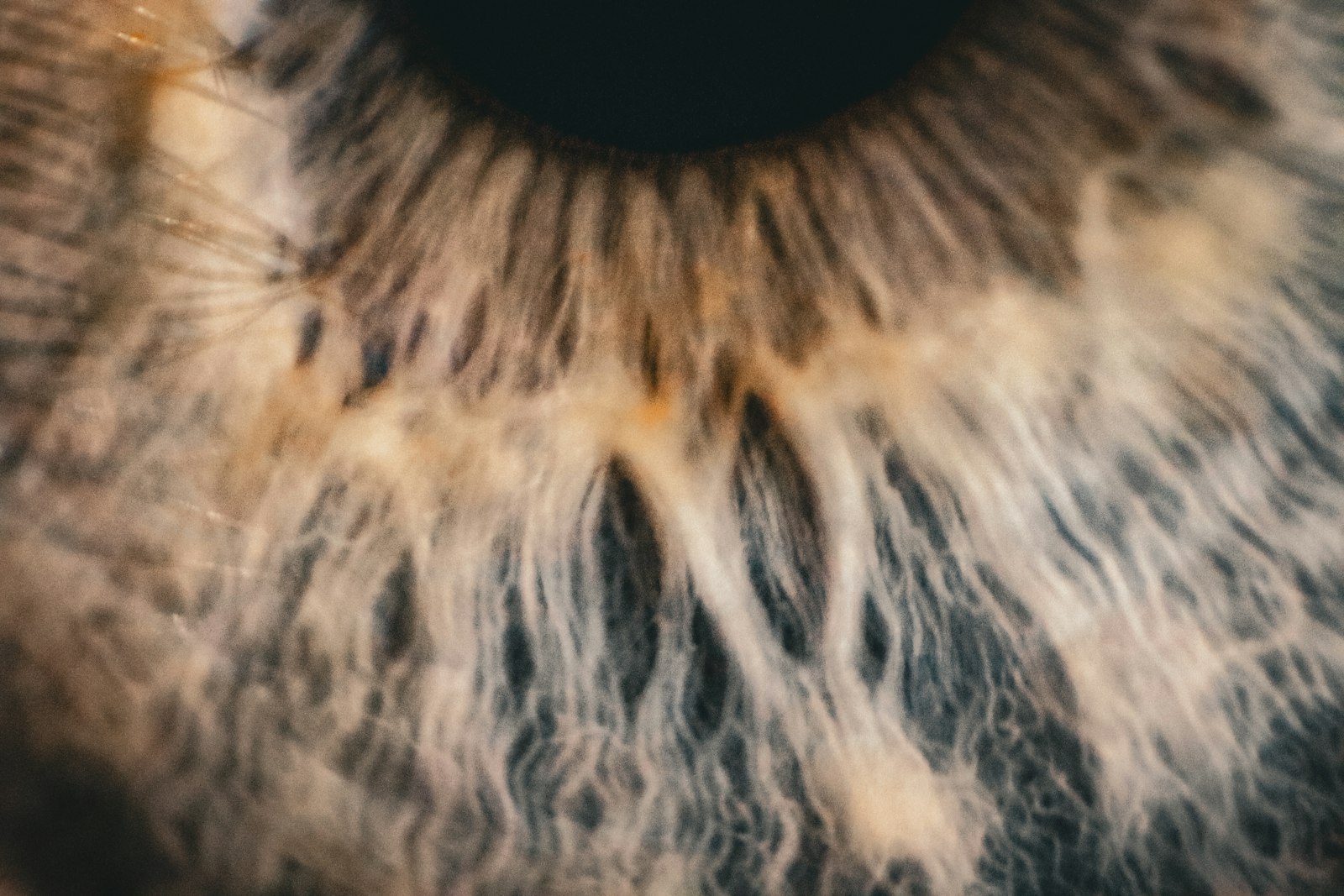
For people age fifty and older, age-related macular degeneration (AMD) is a leading cause of permanent vision loss. AMD is the gradual loss of central vision as the part of the retina with the highest concentration of photoreceptor cells (the macula, which is responsible for our detailed central ...

The global pandemic has forced many children indoors causing a rapid rise in screen time. As screen time accelerates, so does concern among parents about the impact on their children’s eyesight.
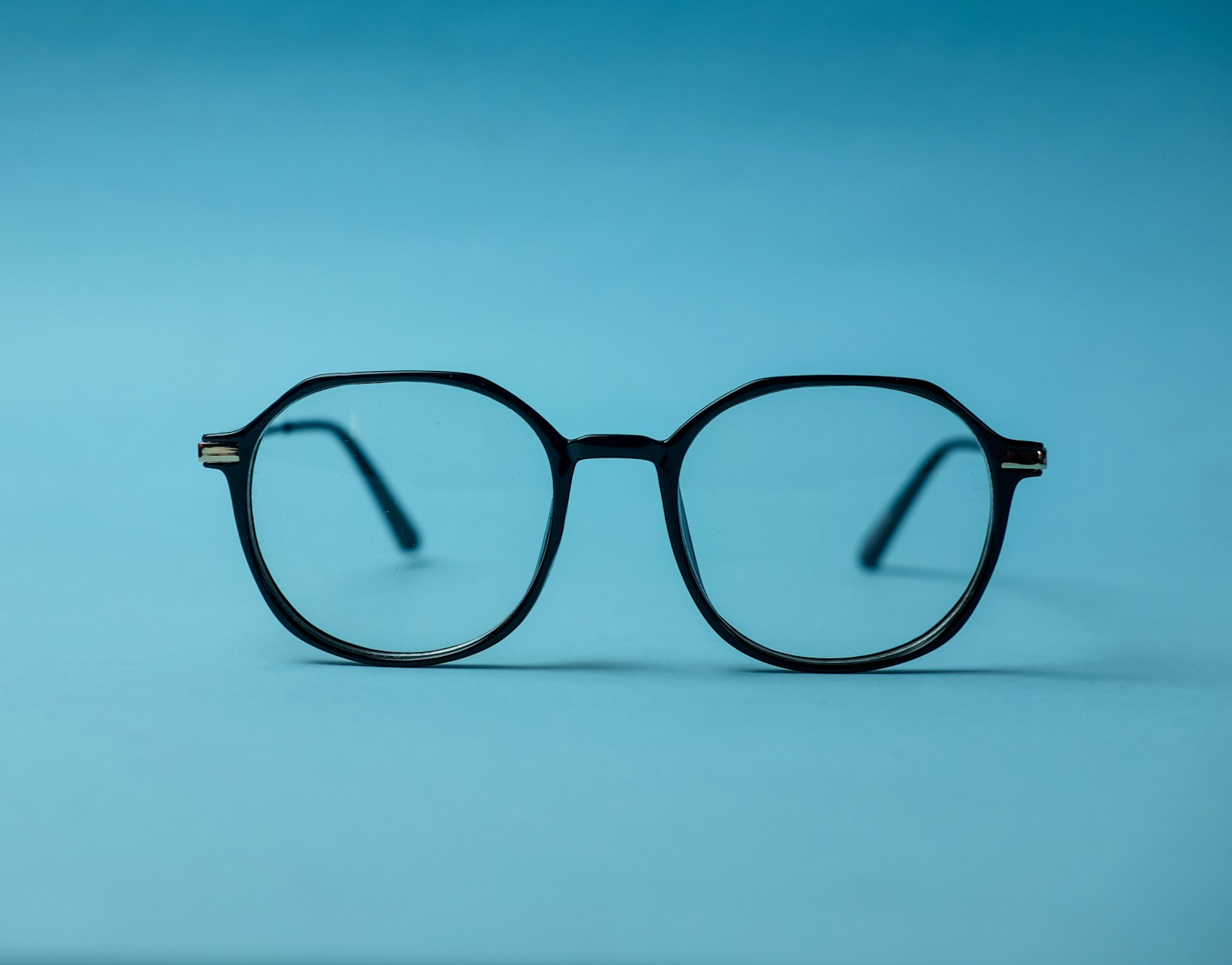
The older we get, the more the lenses in our eyes lose their flexibility. This is a process called presbyopia. It’s the main reason the majority of seniors need reading glasses even if they never needed corrective lenses before. Those of us who already need glasses to correct nearsightedness en...
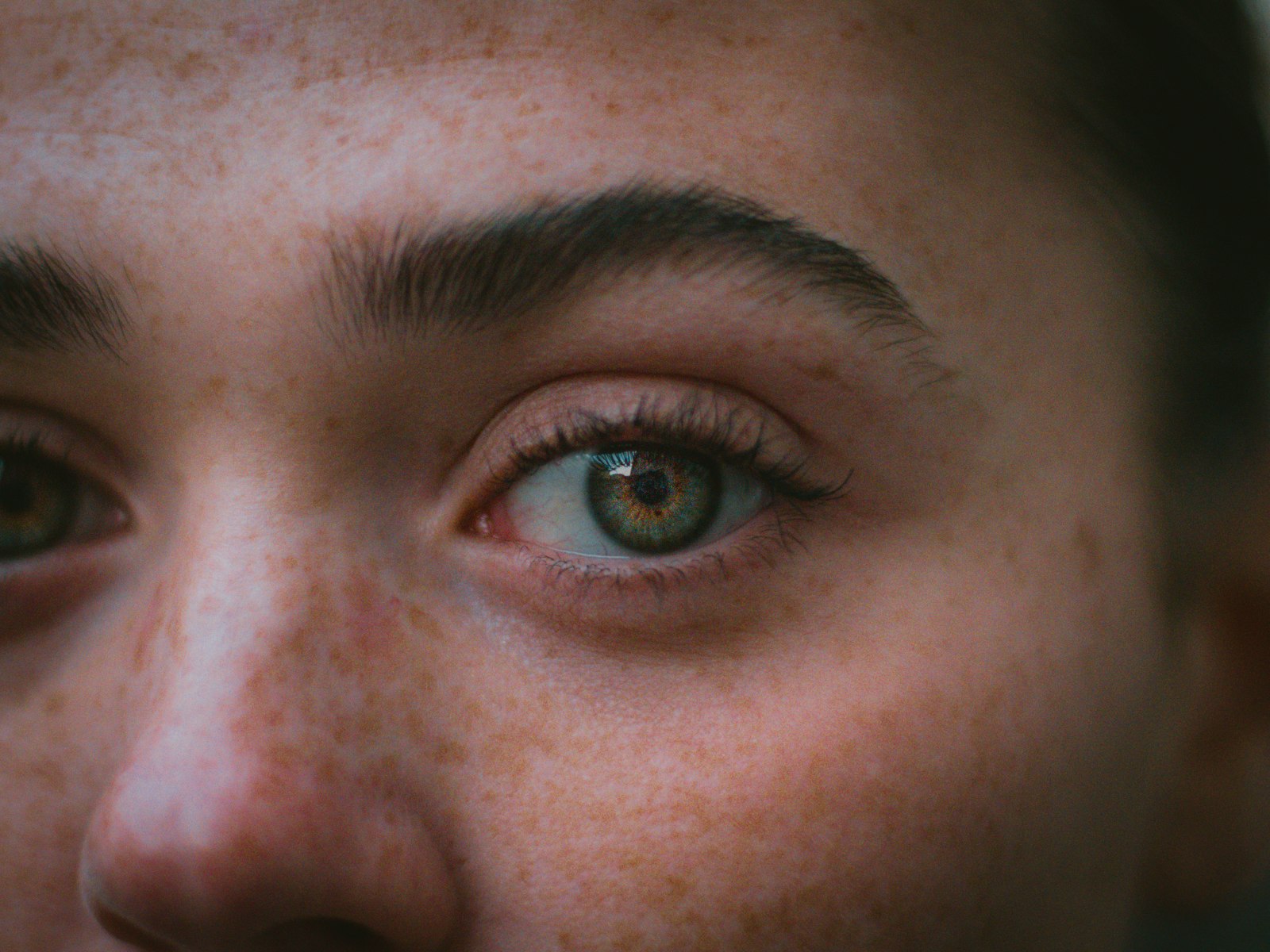
So many intricate parts have to work together to make clear eyesight possible. This is because the human eye is incredibly complex, but the trouble is that just one thing going wrong can seriously compromise a person’s vision health. One example that might not seem obvious to most people is the...
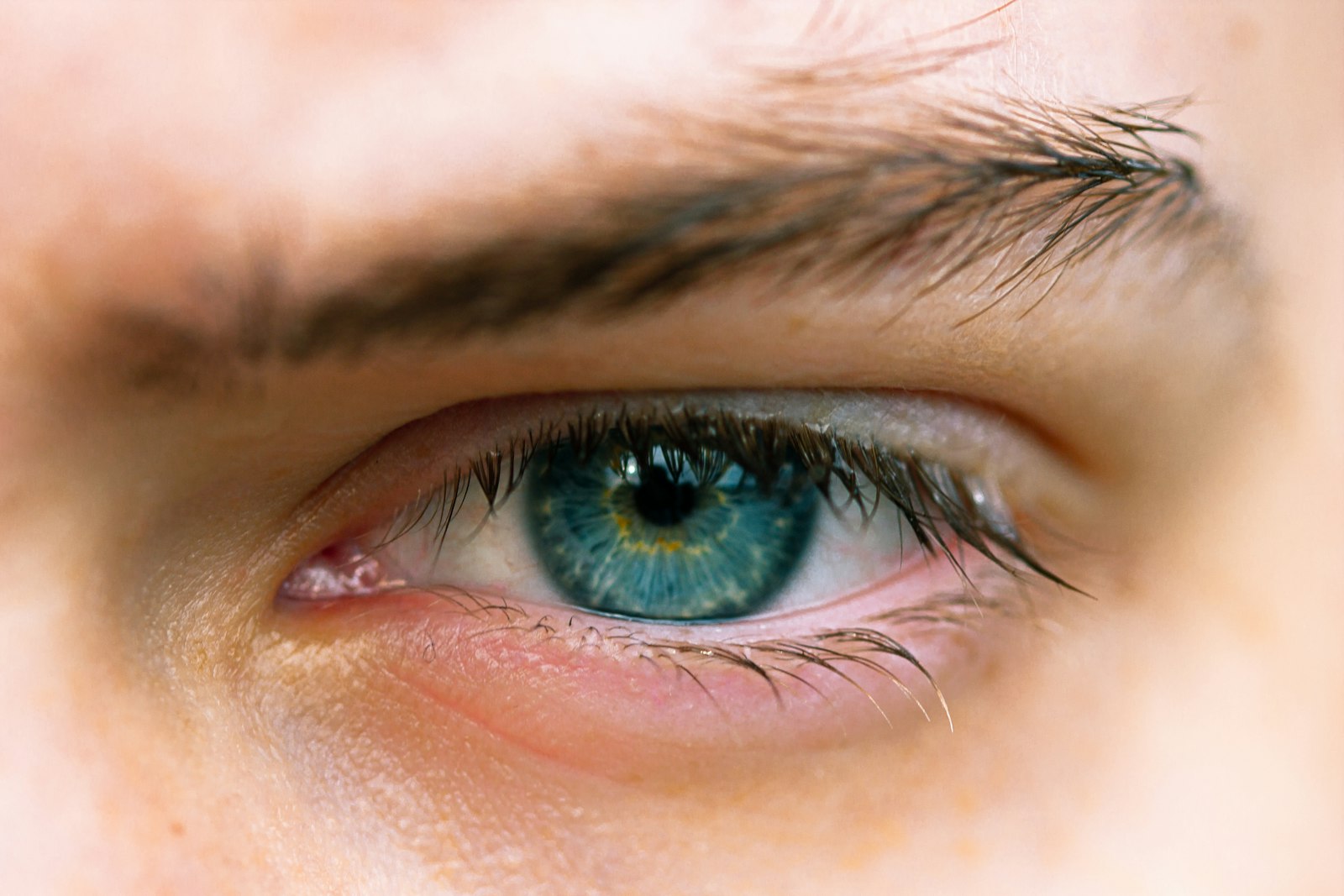
Healthy eyesight is an important part of having a good quality of life. Up to one in every six adults struggles with a sight-threatening eye condition and many more than that experience a degree of vision loss as they age. Many of the major causes of blindness and low vision are connected to age,...

All Eye
Care Services

Keep
In Touch

Contact Info
Hours of Operation
- Monday 9:00am - 6:00pm
- Tuesday 10:00am - 7:00pm
- Wednesday 10:00am - 6:00pm
- Thursday 8:00am - 5:00pm
- Friday 9:00am - 6:00pm
- Saturday 8:00am - 1:30pm
- Sunday Closed
© 2026 True Vision Optometry. All rights Reserved. Accessibility Statement - Privacy Policy - SMS Terms of Serivce - Sitemap
Powered by:
